

Imagine this: you’re relaxing at home with friends, ready to share the stunning photos from your recent vacation. You power up your computer, eager to relive those memories—and then, shock. Your photo folder is empty. Panic sets in. You check every directory, search the file names, dig through the recycle bin. Nothing. Your photos, videos, documents—your digital life—are gone.
The experience is devastating, but not uncommon. Data loss can happen to anyone, and whether it’s due to accidental deletion, system failure, malware, or physical damage, the solution is often the same:
💡 Call a professional data recovery company.
Why You Shouldn’t Try DIY Recovery
In the face of panic, your instinct may be to fix it yourself. You might even consider downloading free recovery software or watching a quick tutorial on YouTube.
Don’t.
Attempting to recover lost data yourself—especially without experience—can make matters worse. Here’s why:
- Overwriting: New installations or file saves can overwrite the very data you’re trying to recover.
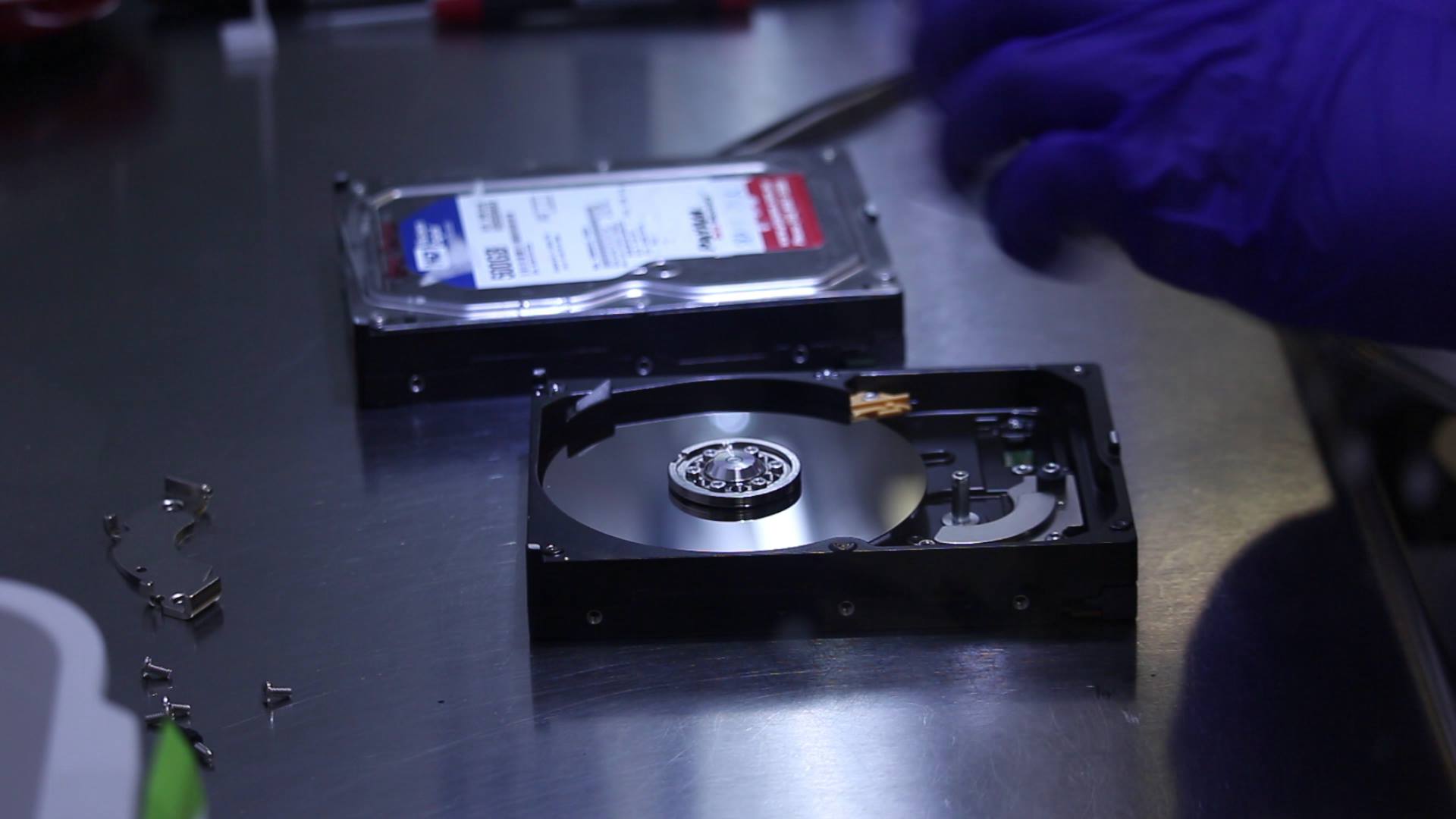
- Deeper damage: In the case of physical failures, opening a hard drive can permanently destroy it.
- False security: Free software often fails with corrupted or severely damaged drives.
That’s why, in critical situations, the best course of action is to seek out a professional data recovery company.
So, How Do You Find the Right One?
Finding a reliable data recovery expert isn’t just about Googling “best data recovery near me.” You’re entrusting a company with potentially priceless memories or sensitive documents, so it pays to be thorough. Here’s how to go about it:
1. Start with Word of Mouth
The best recommendations often come from friends, family, or colleagues. Ask:
- Have they ever used a data recovery service?
- Was the company successful in retrieving their files?
- How was the communication and turnaround time?
- Would they use them again?
If someone you trust had a positive experience, that’s a strong indicator of a company’s reliability.
2. Check the Company’s Track Record
If no personal referrals are available, take your search online—but don’t just settle for whoever ranks first.
Look for:
- Years in Business: A long-standing company usually has more technical experience and a proven process.
- Case Studies or Success Rates: Reliable companies often share anonymized stories of successful recoveries.
- Industries Served: Companies that work with hospitals, law firms, or government agencies are typically well-vetted and trustworthy.
3. Read Reviews—Critically
Customer reviews can be helpful but should be taken with a grain of salt. Look for patterns:
- Do multiple reviewers mention successful recovery of difficult cases?
- Are there red flags like poor communication or unexpected charges?
- Is the company responsive to negative feedback?
Avoid companies with all five-star reviews that look suspiciously vague or fake.
4. Ensure They Handle All Types of Data Loss
Not all data loss is created equal. A trustworthy data recovery company should be equipped to deal with:
- Logical failures (corrupt partitions, deleted files, formatted drives)
- Physical damage (clicking hard drives, power surges, broken connectors)
- Electronic failures (burnt components, firmware corruption)
- Malware attacks or ransomware recovery
- RAID server or cloud recovery
Their versatility is a good sign of expertise.
5. Ask About Certifications and Facilities
A top-tier data recovery lab should:
- Be ISO 5 Class 100 Cleanroom certified (for safe physical repairs)
- Follow strict confidentiality protocols (especially for business or legal files)
- Use specialized tools (like imaging hardware, firmware emulators)
- Have certified technicians and data security policies
If they don’t disclose this up front, ask.
6. Expect a Personalized Estimate
Before doing any work, a professional recovery company should:
- Offer a diagnostic evaluation (free or low cost)
- Provide a written quote outlining the cost, timeframe, and recovery expectations
- Be transparent about fees—especially in cases where recovery is unsuccessful
Be wary of companies with vague or guaranteed results before analyzing your device.
7. Customer Support Matters
Communication can make or break your experience. Pay attention to how the company handles your questions:
- Are they responsive and easy to reach?
- Do they explain the process clearly?
- Are they patient with non-technical clients?
Good service is a hallmark of a trustworthy company.
Red Flags to Avoid
- No physical address or office location
- No diagnostic before providing a quote
- No data, no fee policies without fine print
- Asking you to open the drive or install software
- Poor reviews mentioning lost or unrecovered data
Final Thoughts
Losing data is stressful, but choosing the right recovery expert doesn’t have to be. Start with personal recommendations, then do your due diligence. A reputable data recovery company will walk you through the process, manage your expectations, and work hard to recover what’s been lost—safely and securely.
In today’s digital world, data is more than just files—it’s memories, work, and life. Don’t leave it in the hands of amateurs.
📌 Pro Tip: Once you recover your files, invest in a reliable backup system. External drives, cloud storage, or even an automated weekly backup can save you from heartache in the future.
View More : http://odile-saugues.org/technology/why-charlotte-data-recovery-is-popular-for-data-service/