

In today’s digital age, the data we store on our computers is invaluable. From important business documents to cherished family photos, our lives are increasingly defined by the data we store on our devices. So when you sit down at your computer and find that your files are no longer there—whether due to accidental deletion, a system crash, or a malicious attack—the sense of panic can be overwhelming.
We often take for granted that our data will always be available. We might back up files occasionally or rely on a cloud storage service, but we rarely consider the consequences of a major data loss until it happens.
Data loss is not just a technical issue; it’s a potential disaster for businesses, individuals, and organizations alike. That’s where data recovery services come in. Having access to a reliable, professional service can make all the difference in whether your files are permanently lost or successfully retrieved.
The Importance of Data Recovery Services
Many people overlook the significance of having a data recovery plan until disaster strikes. At first glance, a computer failure or data loss might seem like a temporary inconvenience. However, in reality, it can lead to major disruptions in both personal and business life.
For businesses, the consequences of losing crucial data are even more severe. When vital customer information, financial records, or proprietary documents are lost, the economic impact can be staggering. Here are just a few of the risks:
- Lost productivity: When critical files are lost, employees may be unable to work, leading to downtime and delays.
- Financial loss: Recovery efforts, combined with the costs of lost productivity, can easily run into the thousands.
- Reputational damage: If sensitive data is lost or compromised, a company’s reputation may suffer, resulting in lost customers and credibility.
- Legal ramifications: For companies in regulated industries, data loss may result in compliance violations, leading to legal trouble and potential fines.
The Hidden Threats to Your Data
While regular computer maintenance can help mitigate risks, your data is still vulnerable to various threats that could lead to permanent loss. These include:
- Power surges: A sudden spike in electricity can damage internal computer components, leading to data corruption.
- Viruses and malware: Malicious software can attack your files, corrupting or deleting them without your knowledge.
- System crashes: Whether caused by software errors, a hard drive failure, or a bad update, a system crash can make your data inaccessible.
- Human error: Accidental file deletion, overwriting, or improper handling of storage media is more common than you think.
- Hardware failure: Even well-maintained devices eventually wear out. Hard drives, USB drives, and memory cards can fail, often without warning.
While these events are unsettling, they don’t necessarily mean your data is gone for good. A professional data recovery service can help recover lost files in many different scenarios.
What Does Data Recovery Entail?
The process of data recovery varies depending on the cause and severity of the loss. It can range from simple recovery methods to complex procedures requiring specialized tools. Here are a few common scenarios:
1. Accidental Deletion or Formatting
If files were deleted or if a drive was formatted by mistake, file recovery software can often retrieve the lost data. Many recovery services offer specific solutions for retrieving Word documents, Excel spreadsheets, PDF files, and ZIP archives. These types of recoveries tend to be quicker and less expensive.
2. Physical Damage
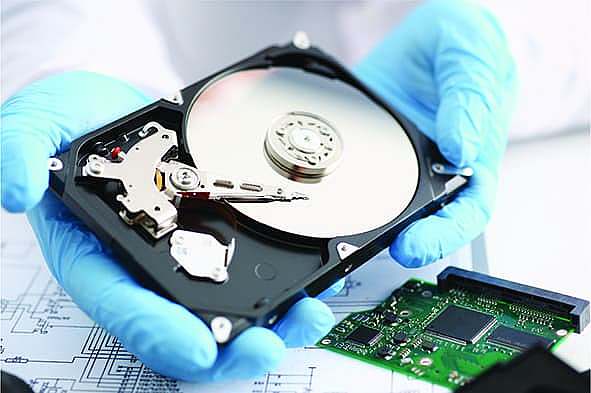
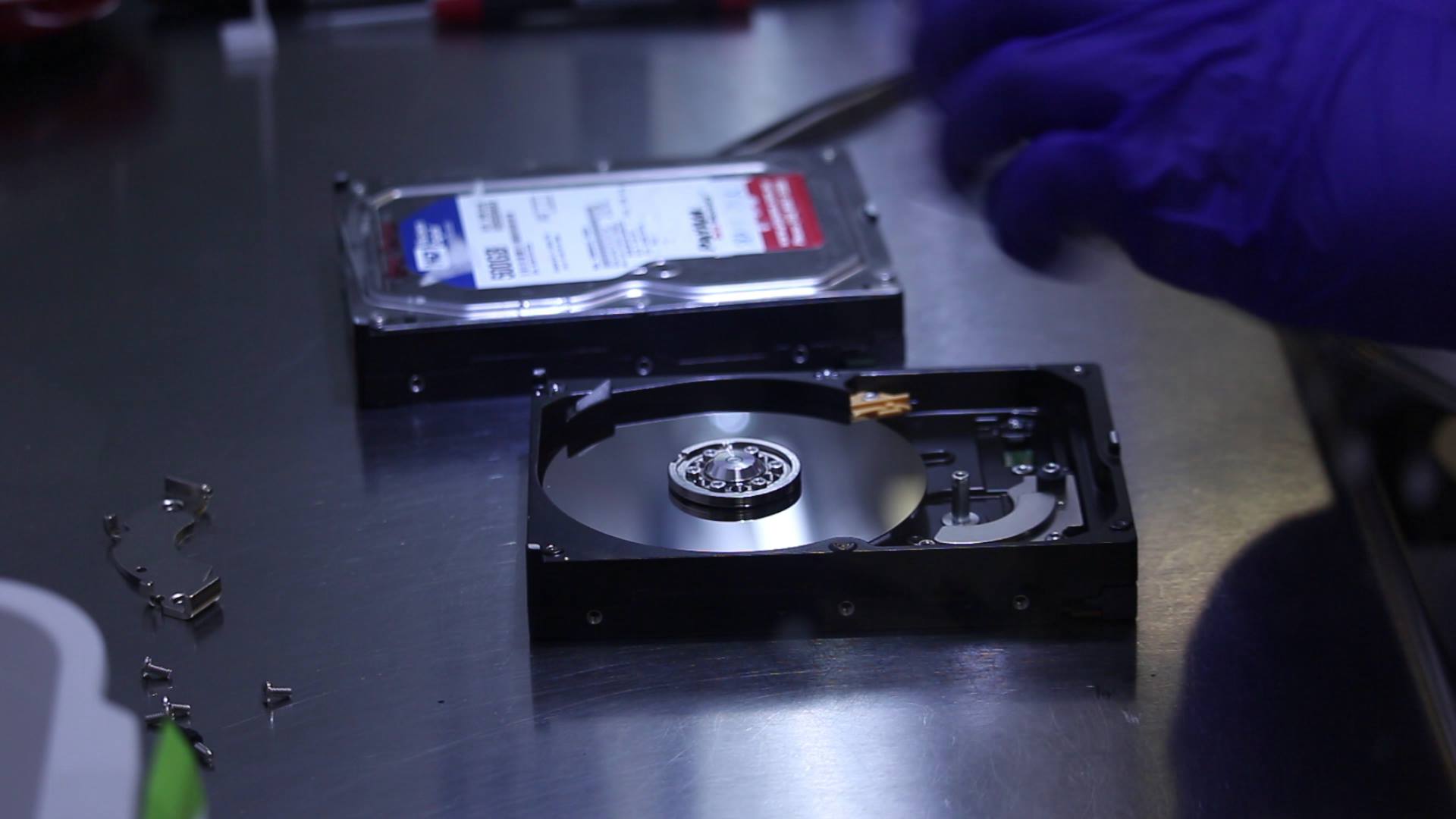
For hard drives that have suffered physical damage—such as being dropped, exposed to water, or experiencing a head crash—recovery is more complex. In these cases, the drive needs to be opened in a cleanroom environment to avoid contamination. Data is then retrieved by skilled technicians using specialized recovery tools.
3. Corrupted or Damaged Files
File corruption can occur due to faulty software, system crashes, or malware infections. In such cases, data recovery services use advanced techniques to repair damaged files and recover as much data as possible.
4. Remote Data Recovery
In some cases, remote data recovery may be an option. This allows technicians to connect to your computer over the internet to recover files without needing to physically access the drive. This option is often quicker and more cost-effective, but it depends on the type of data loss and whether the system is still operational.
How Do Data Recovery Services Work?
A professional data recovery company typically follows a few key steps in the recovery process:
Step 1: Diagnosis
When you bring in your damaged device or storage medium, technicians will first diagnose the problem to determine the extent of the damage and the likelihood of a successful recovery. Some companies offer a free or low-cost diagnostic service.
Step 2: Recovery Plan
Once the issue is identified, the company will provide a recovery plan. This plan will outline the cost, timeframe, and process for recovering your data. Make sure to ask about any guarantees, especially regarding the success rate and recovery conditions.
Step 3: Data Recovery
Using specialized software, hardware, and techniques, technicians will recover the data from your damaged device. If the data is located on multiple drives or involves complex issues (such as RAID arrays), they will work through each layer systematically.
Step 4: Delivery of Recovered Data
After the recovery is complete, the company will deliver your files, usually on a new storage medium (external hard drive, USB drive, or cloud service). Some companies also offer encrypted data transfer for sensitive files to ensure your privacy.
The Cost of Data Recovery
While the cost of data recovery varies depending on the complexity of the issue and the type of storage device involved, you can generally expect to pay more for physical damage recovery than for software-based solutions.
- File Recovery (Accidental Deletion or Formatting): $100–$500
- Physical Damage (Hard Drive Failures, Water Damage): $500–$2,000
- RAID Recovery or Server Issues: $1,000–$5,000+
While the upfront cost may seem high, consider the potential financial and productivity losses if you attempt to recover the data yourself or do not recover it at all.
Conclusion: The Value of Data Recovery Services
The importance of data recovery services cannot be overstated. In a world where our data is critical to personal, business, and professional success, having a reliable recovery service at your disposal is essential. Whether dealing with file corruption, accidental deletion, or hardware failure, a skilled data recovery company can be the difference between permanent loss and a full recovery.
So, when disaster strikes, don’t panic. Instead, contact a professional to get your data back and keep your life moving forward.
📌 Pro Tip: Once your data is safely recovered, it’s crucial to back it up regularly. Consider using both external hard drives and cloud storage solutions to safeguard your most important files.